

A Comprehensive Guide to Identifying Relevant Keywords and Deploying Them Effectively
Search engines are increasingly functioning as answer engines powered by artificial intelligence.
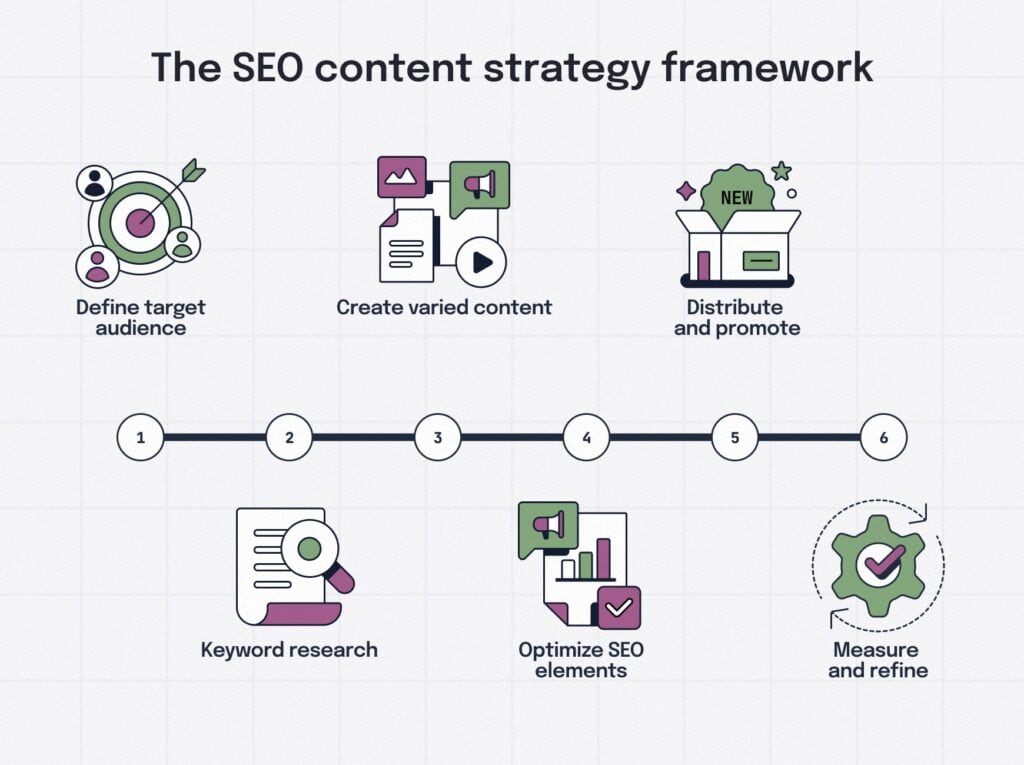
Keyword research remains a foundational element of digital visibility. Whether your organization operates in e-commerce, professional services, or mission-driven advocacy, understanding the precise language your audience employs enables the creation of content that aligns with user intent, enhances discoverability across traditional search results and AI-generated summaries, and drives sustainable organic traffic. This guide outlines a systematic process for identifying keywords pertinent to your company, service, or mission; discerning the terminology favored by your target market; and integrating those terms strategically for measurable impact.
Step 1: Establish Your Core Keyword Foundation
Begin by articulating the fundamental aspects of your business. Compile a list of “seed keywords”—broad, descriptive terms that encapsulate your offerings, unique value propositions, and mission. For instance, a sustainable fashion brand might start with seeds such as “eco-friendly clothing,” “ethical apparel,” or “sustainable fashion solutions.”
Leverage internal resources to refine this list:
- Review product descriptions, service pages, and mission statements.
- Consult sales records, customer support logs, and stakeholder interviews to capture authentic language.
- Analyze existing website performance through Google Search Console to identify terms already driving traffic.
This internal audit ensures alignment between organizational identity and external search behavior, preventing misalignment that could dilute authority.
Step 2: Uncover Keywords Your Target Market Uses Most Frequently
Your audience’s lexicon may differ from internal terminology. To bridge this gap, employ both qualitative and quantitative methods tailored to 2026 realities.
- Direct audience insights: Examine customer reviews, email correspondence, and support tickets for recurring phrases. Conduct surveys or interviews asking respondents to describe their challenges in their own words.
- Community and forum analysis: Explore platforms such as Reddit, Quora, and industry-specific forums. Search for threads discussing related problems to reveal unfiltered queries and pain points.
- Search behavior tools: Utilize Google Trends to identify rising or seasonal interest patterns, and AnswerThePublic to visualize question-based queries (e.g., “how to choose sustainable clothing”).
- Competitor gap analysis: Review competitors’ top-ranking pages to identify overlooked opportunities through tools that highlight keyword disparities.
These techniques reveal high-intent, long-tail phrases—specific, conversational searches that often convert more effectively than generic terms—while accounting for evolving AI-driven query patterns.
Step 3: Expand and Validate with Professional Keyword Research Tools
Seed keywords alone are insufficient; specialized platforms amplify discovery and provide essential metrics. As of 2026, leading solutions integrate AI for intent analysis and visibility tracking across Google, Perplexity, and ChatGPT.
Recommended Free Tools:
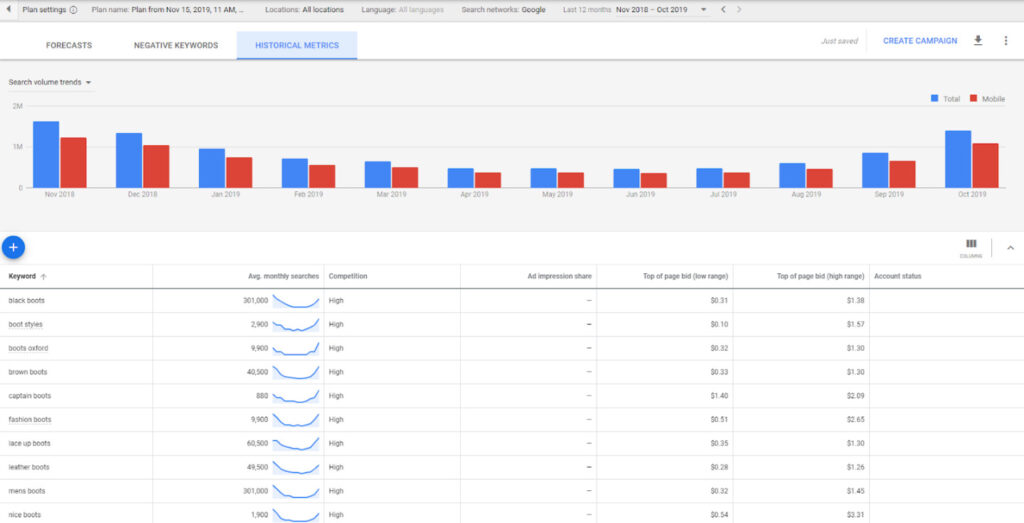
- Google Keyword Planner: Delivers accurate search volume ranges and forecasting; ideal for initial validation.
- AnswerThePublic and Ubersuggest: Generate visual question clusters and long-tail suggestions with limited free usage.
- Keyword Surfer (Chrome extension): Displays real-time data directly on search results pages.
Premium Platforms for Deeper Insights:
Ahrefs Keywords Explorer and SEMrush Keyword Magic Tool: Offer comprehensive databases exceeding 25 billion keywords, difficulty scores, traffic potential, and AI-specific visibility metrics. These remain industry benchmarks for competitive intelligence and topic clustering.

Enter seed terms, filter by volume, difficulty, and intent (informational, navigational, commercial, or transactional), and export clusters for prioritization.
Step 4: Analyze, Prioritize, and Organize Keywords
Evaluate each term against three core criteria:
- Search volume: Indicates potential reach.
- Keyword difficulty: Assesses competition; prioritize scores below your domain’s authority threshold for quicker wins.
- User intent and relevance: Confirm alignment with your offerings via SERP analysis—review top results to ensure content type matches expectations.
Group related terms into topical clusters around a central “pillar” page. For example, a pillar on “sustainable fashion” might link to cluster content addressing “best eco-friendly fabrics,” “certification guides,” and “cost comparisons.” This structure builds topical authority, benefiting both traditional rankings and AI citations.
Step 5: Deploy Keywords Effectively Across Your Digital Presence
Effective usage transcends mere density. In 2026, prioritize semantic relevance and user experience:
- Integrate primary keywords naturally into titles, headings, meta descriptions, and opening paragraphs.
- Support with secondary and related terms throughout the body to reinforce context for AI algorithms.
- Employ structured data (schema markup) and clear, scannable formatting to facilitate extraction for AI Overviews.
- Create comprehensive, experience-backed content that addresses the full query journey rather than isolated keywords.
Avoid outdated stuffing tactics; instead, focus on E-E-A-T (Experience, Expertise, Authoritativeness, Trustworthiness) signals that enhance credibility across platforms.
Step 6: Monitor Performance and Iterate Continuously
Keyword effectiveness evolves. Establish a routine review cycle using:
- Google Analytics 4 and Search Console for traffic, impressions, and click-through rates.
- Platform-specific dashboards in Ahrefs or SEMrush for ranking changes and AI visibility.
- Adjust strategies quarterly, incorporating emerging trends and audience feedback.
This iterative approach ensures sustained relevance and compounding returns.
Conclusion: Transform Keyword Insights into Strategic Advantage
Keyword research in 2026 is not a one-time exercise but a dynamic discipline that fuses data-driven discovery with empathetic audience understanding. By methodically identifying terms tied to your mission, validating them against real market behavior, and deploying them within authoritative, intent-focused content, organizations of any scale can secure prominent placement in both search results and AI responses.
Implement the framework outlined above today. Begin with a focused seed-keyword brainstorm, select one accessible tool, and map your first content cluster. The resulting clarity will sharpen targeting, elevate engagement, and deliver measurable growth in an increasingly competitive digital landscape. Should your team require tailored assistance in execution, professional SEO audits and strategy sessions remain invaluable for accelerating results.